Crypto rails offer a superior infrastructure for trading and holding assets. They are a better product than traditional brokerage, delivering greater utility, flexibility, optionality, and efficiency.
So far only crypto tokens were available onchain. This gave altcoins a premium, as investors incorrectly assumed a token’s value matched its underlying business. This assumption proved wrong over time. Because tokens lacked legal security status, projects created systems like revenue distribution model and buy-backs to manufacture value. This shift was a response to token holders who recognized the dislocation between the token and the business. Ultimately, investors buy tokens because they are bullish on the underlying business.
We now await legal clarity to enforce tokens as a new form of stock, providing the security guarantees investors need. In the meantime, the market operates on this fragile buy-back system.
However, a major shift is beginning: tokenization. Wall Street now recognizes what crypto-natives always knew: crypto is a better market architecture. It is cheaper, faster, and more reliable. They want to upgrade their systems, favoring crypto architecture over traditional models.

This move will bring all traditional securities on-chain, including stocks, bonds, private credit and other’s. Eventually, the entire traditional financial system will operate on crypto rails. When this happens, altcoins must compete directly with the entire spectrum of assets, from AI companies to banks.
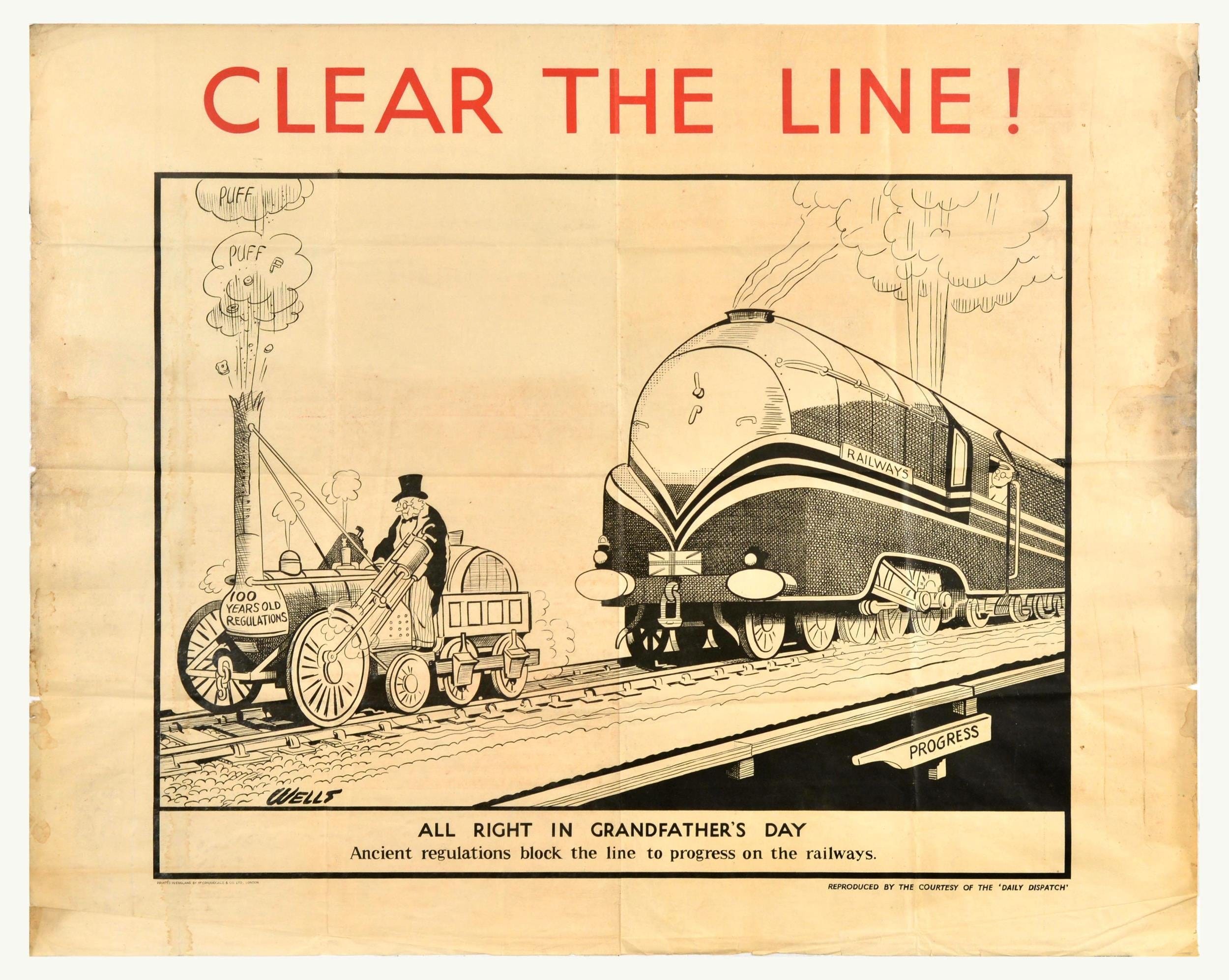
This “inside-out” innovation-real securities moving onchain undermines altcoins that lack a security guarantee. A revenue or buy-back model is not enough to compete with owning a genuine piece of a business.
Altcoins representing an underlying business must therefore evolve. They need to become securities, offering the same guarantees as common stock while retaining their crypto-native advantages. If they fail to do this, they will be pushed toward zero or trade at severe P/S and P/E discounts.
This does not apply to commodities. Assets like Bitcoin, Ethereum, and Solana are not securities and will continue to trade as such. The majority of high-growth, high-tech crypto tokens, however, should be securities. They must invert their strategy from buy-back models to security models.
If these companies do not make the shift internally, the market will force it. Private equity firms will capture the margin. PE firms will see the opportunity to acquire these businesses at low multiples, apply the necessary legal structure, and re-launch the token as a proper security.
This movement could also ignite the next evolution of the IPO, potentially breaking the “private for longer” super-cycle.

If new crypto capital markets make it easier for managers to take a company public, we may see companies issue securities as early as Series A or B. Historically TGE’s happen much sooner than IPO’s.
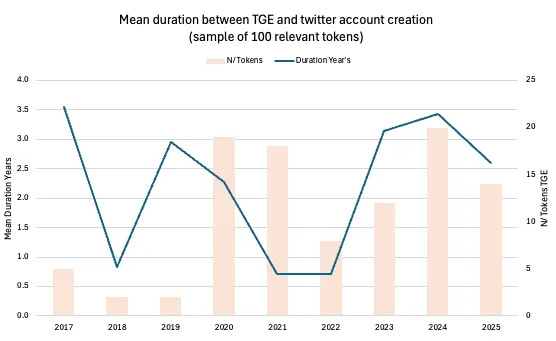
The current lack of investor security in altcoins creates a systemic risk. As real, tokenized equities proliferate on-chain, altcoins that fail to provide real, underlying value will be pushed to zero.
Navigating liquid markets is about to become a critical skill. This is because companies will soon go public much earlier by launching on crypto rails, lowering their median age significantly.
VC’s, who currently act mostly as managers of private companies, will immediately face the classic public market question: sell the new token now, or hold and sell later? They must also decide whether to increase their exposure. This means public market trading skills, previously non-essential for VC’s, will become mandatory.
This shift affects P/E firms too. Even though they historically stick to private companies, they will likely push their portfolio companies to issue token securities. This release helps fulfill their mandate, as it can unlock new revenue streams for the company. Multiple features and innovative systems can emerge simply by having the token navigating onchain.