

I started by just analyzing the CPI print, but I ended up going deeper into the critical issues that are threatening our Union. It has a bunch of data and charts that highlight the current EU situation. We are not collapsing, but we are near the end of an era.
I view cycles as a pendulum. We swing between extremes, and we are in one. Policies must push to the center, which eventually will move us to the other.
Power wants more power. Needs increase needs. Donations increase requests. The loop goes on until it breaks. Thanks for reading.
Inflation and the oil shock
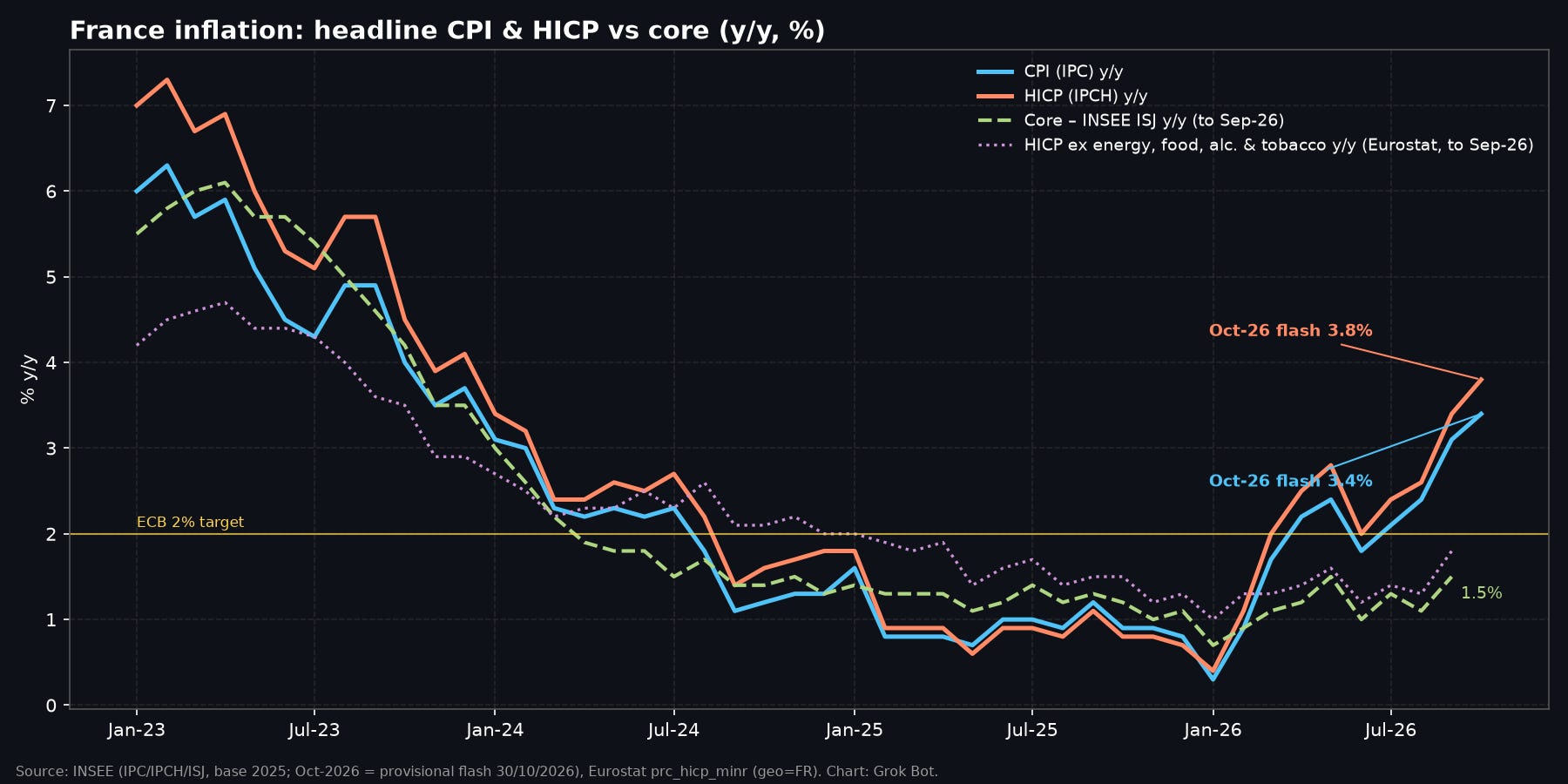
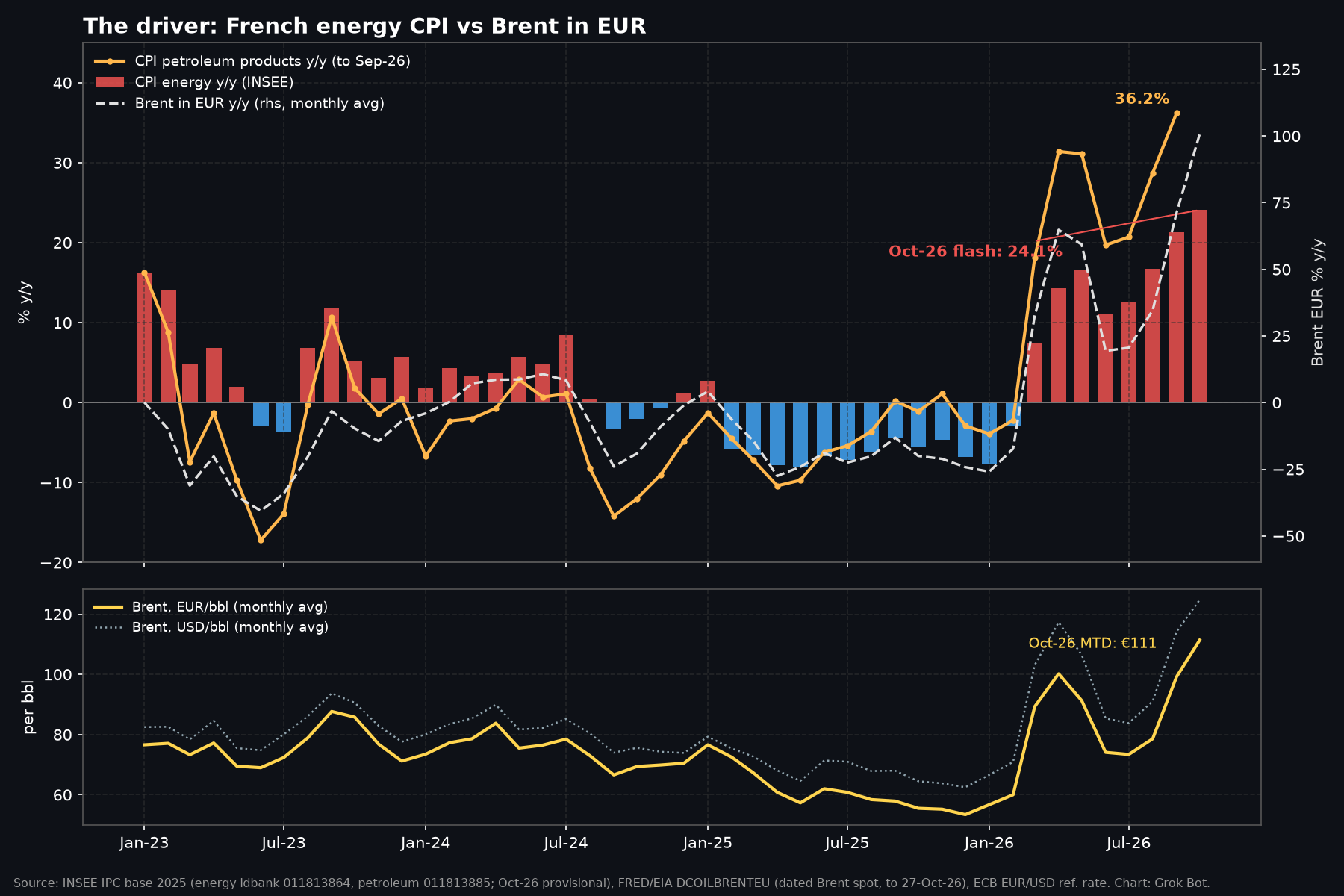
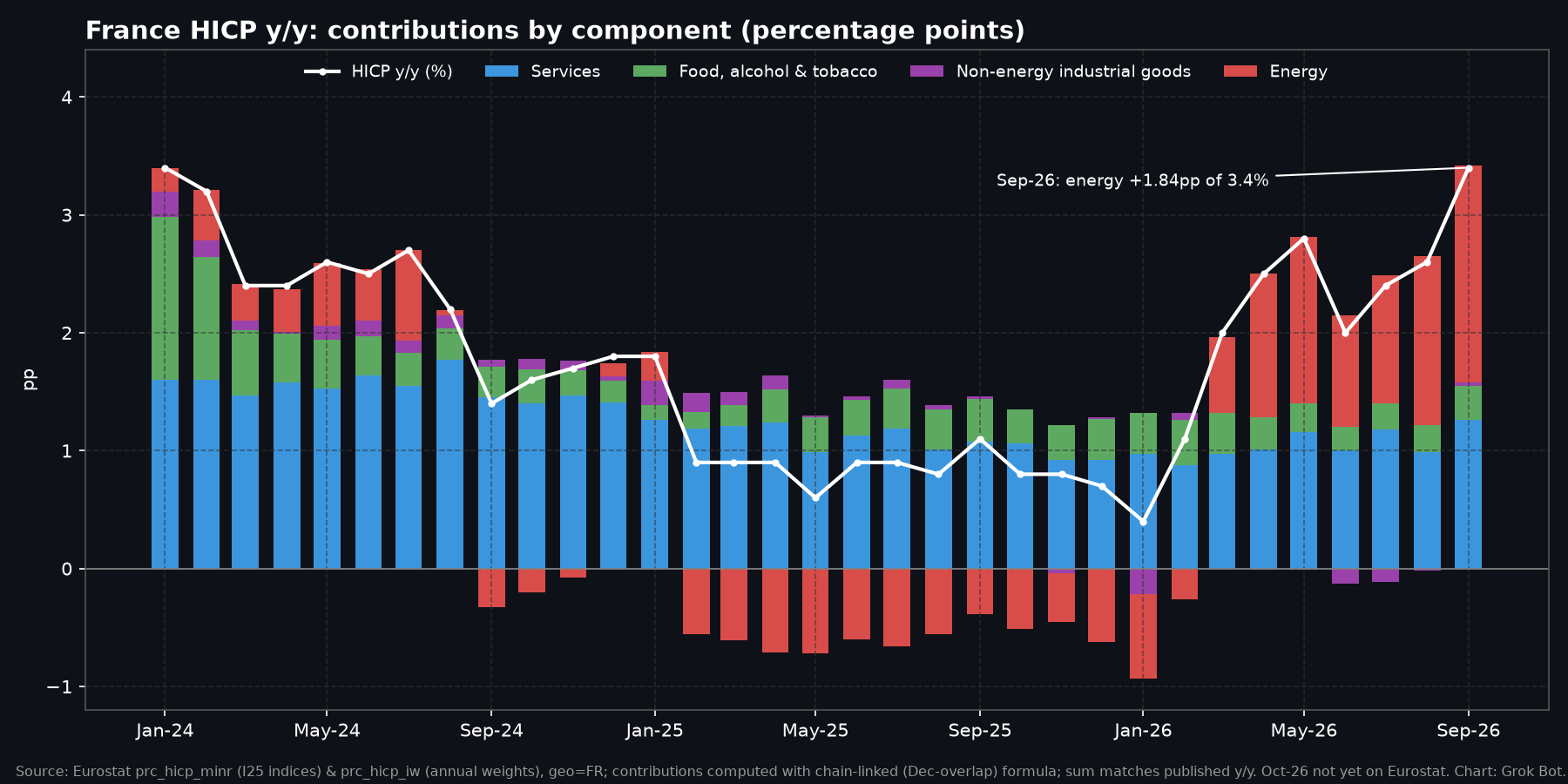
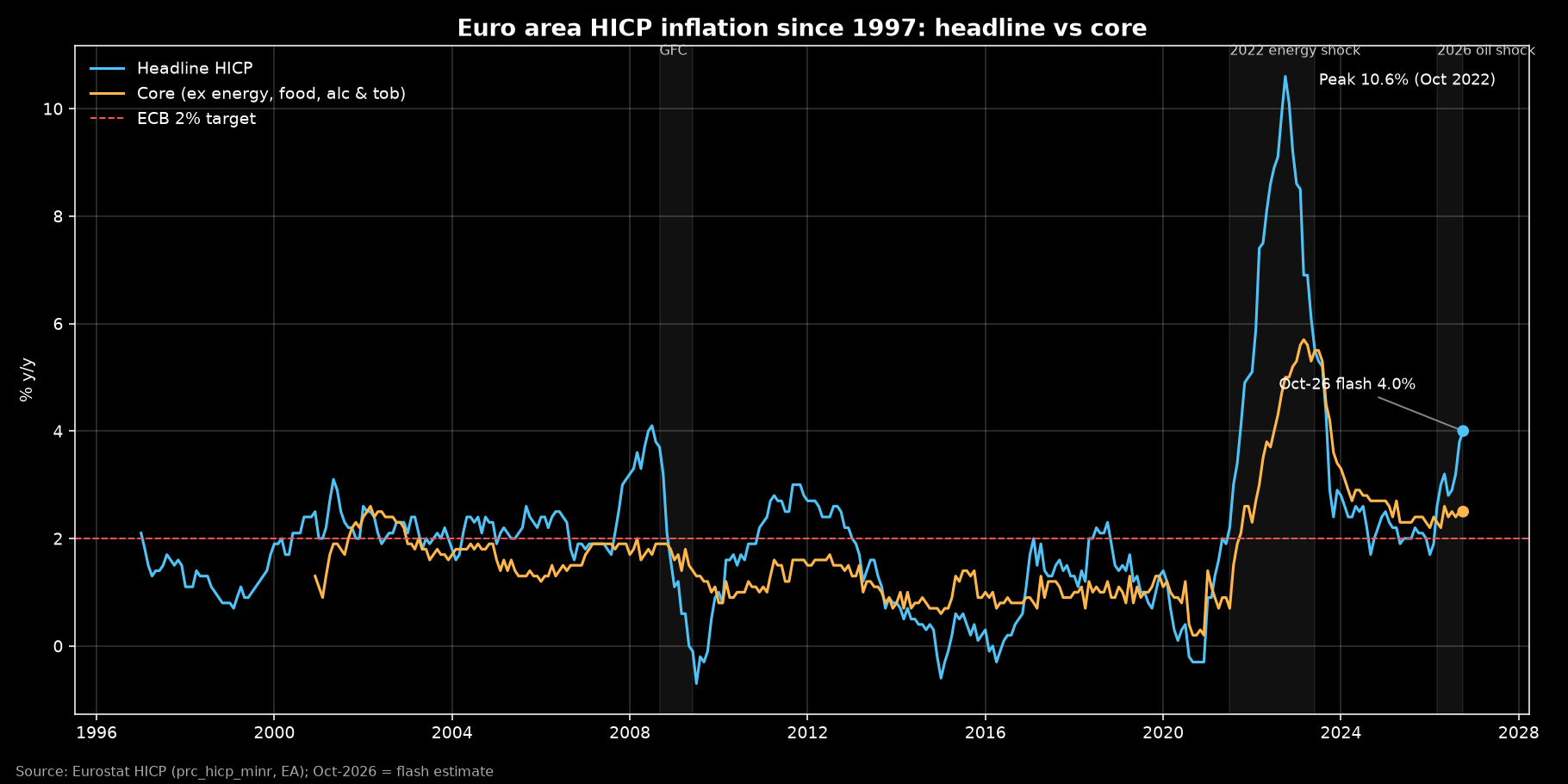
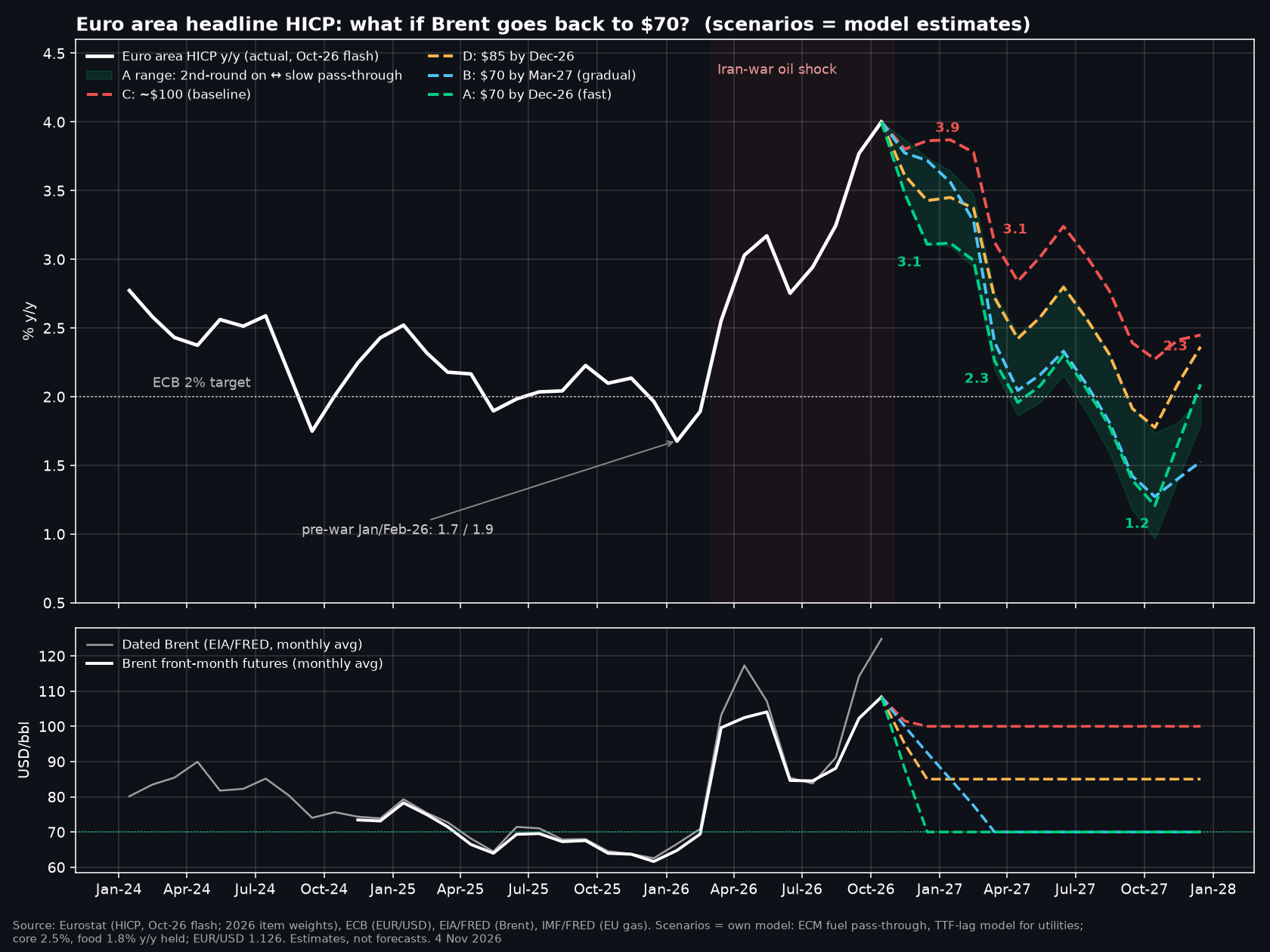
Euro CPI came in hot at 4%, compared to 3.8% previously, but in line with expectations. The CPI is levered on oil prices. The majority of the inflation is coming from this oil shock, and as soon as this is fixed, we will see deflation happen at scale. In the limit, if we come back to $70 again, we are going to see inflation go back below 2% within a year. To make sure inflation is under control, Europe must have two things aligned. It must control Brent prices, and of course gas prices, and it must keep the EUR relevant. So it must guarantee stability on European land, secure borders, and overall GDP taking off, with an ecosystem of growth companies and without public spending above a certain share of GDP. Oil prices are a reflection of the Iran war, so just make sure that you have an in-house solution to that, and build energy pipelines. Also, improve the global war situation by trying to source oil from multiple regions, which protects Brent prices.
Government spending at half of GDP
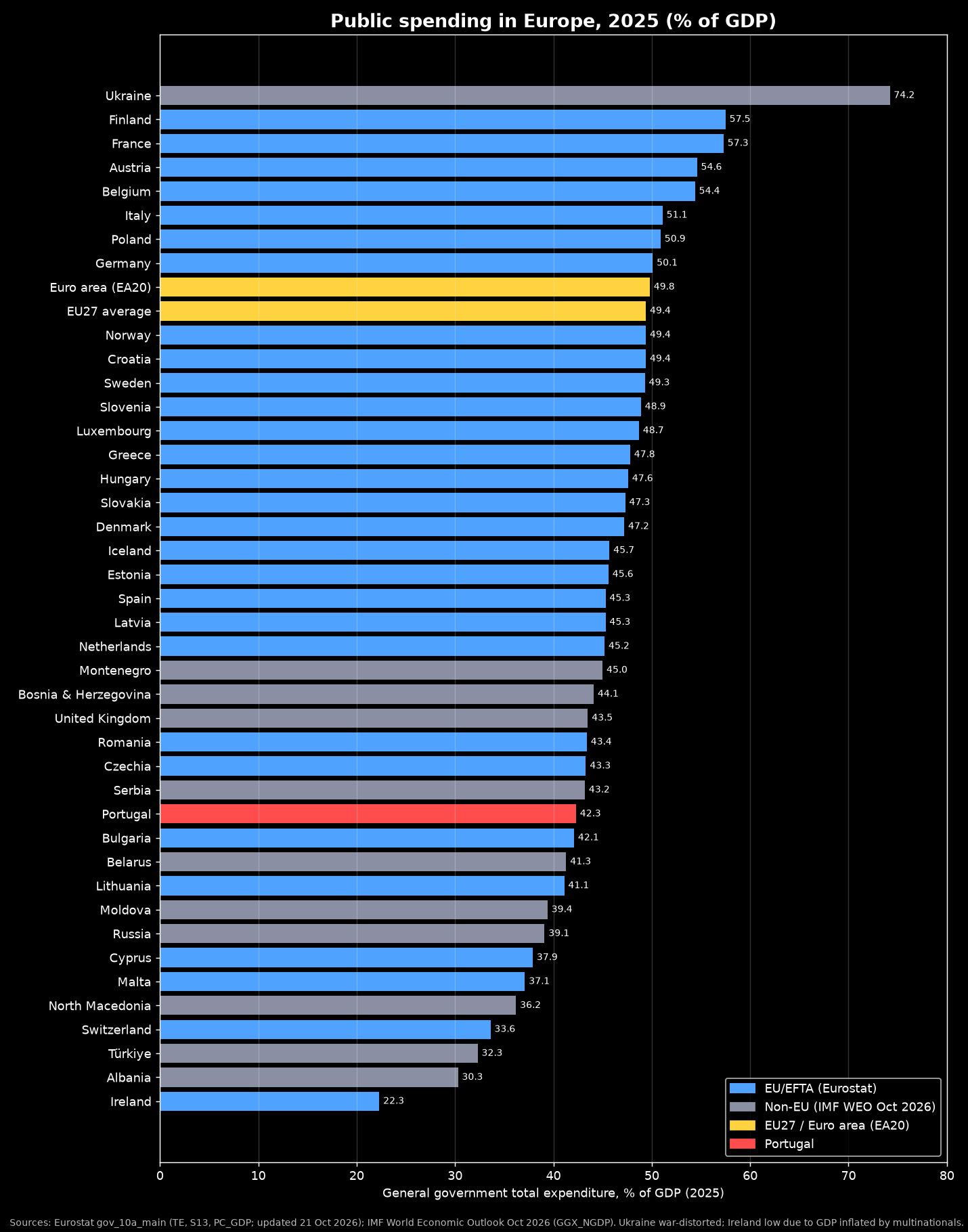
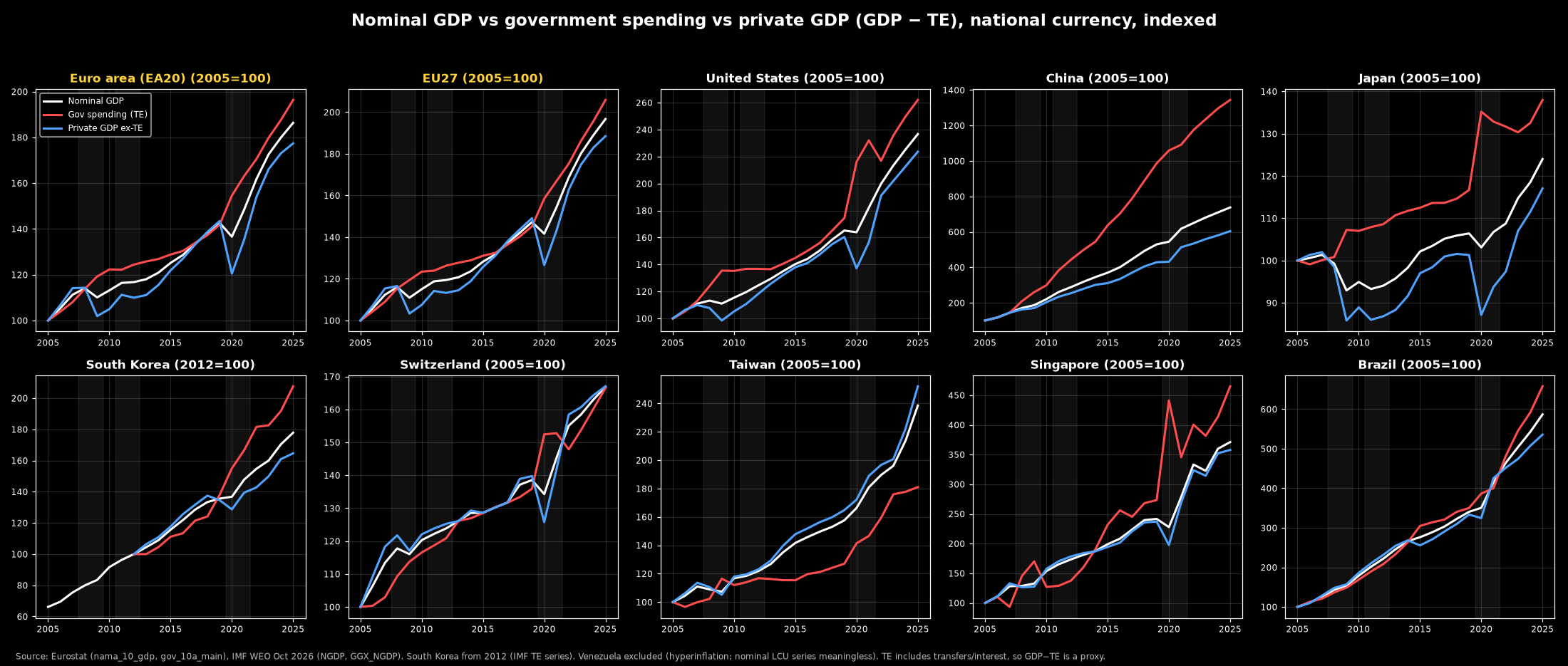
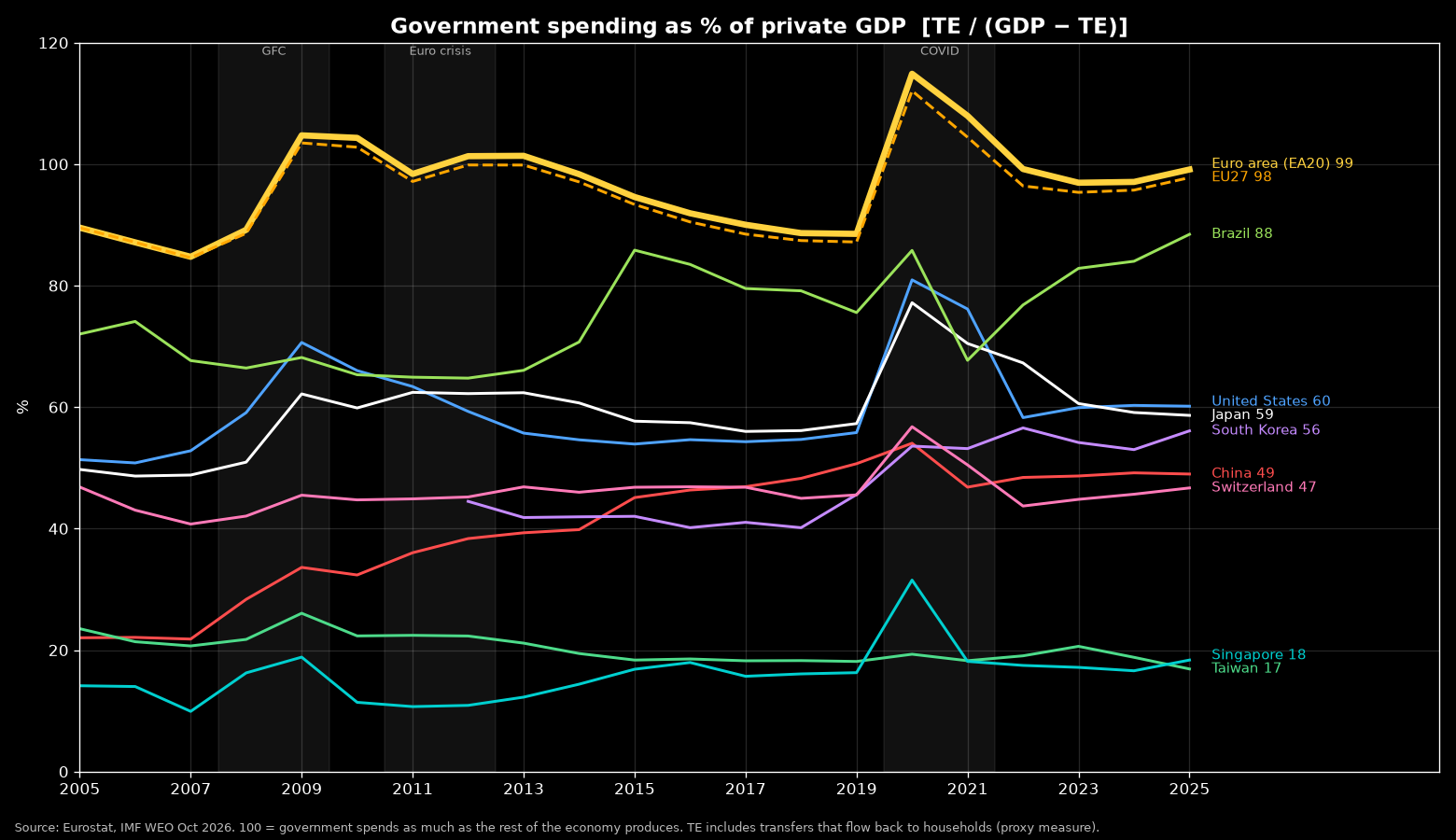
Government spending in the euro area averages about 49.8% of GDP. This level is in line with a socialist regime in power. When over 50% of spending comes from the government, the government controls the majority of growth and of the economic drive. This is unsustainable.
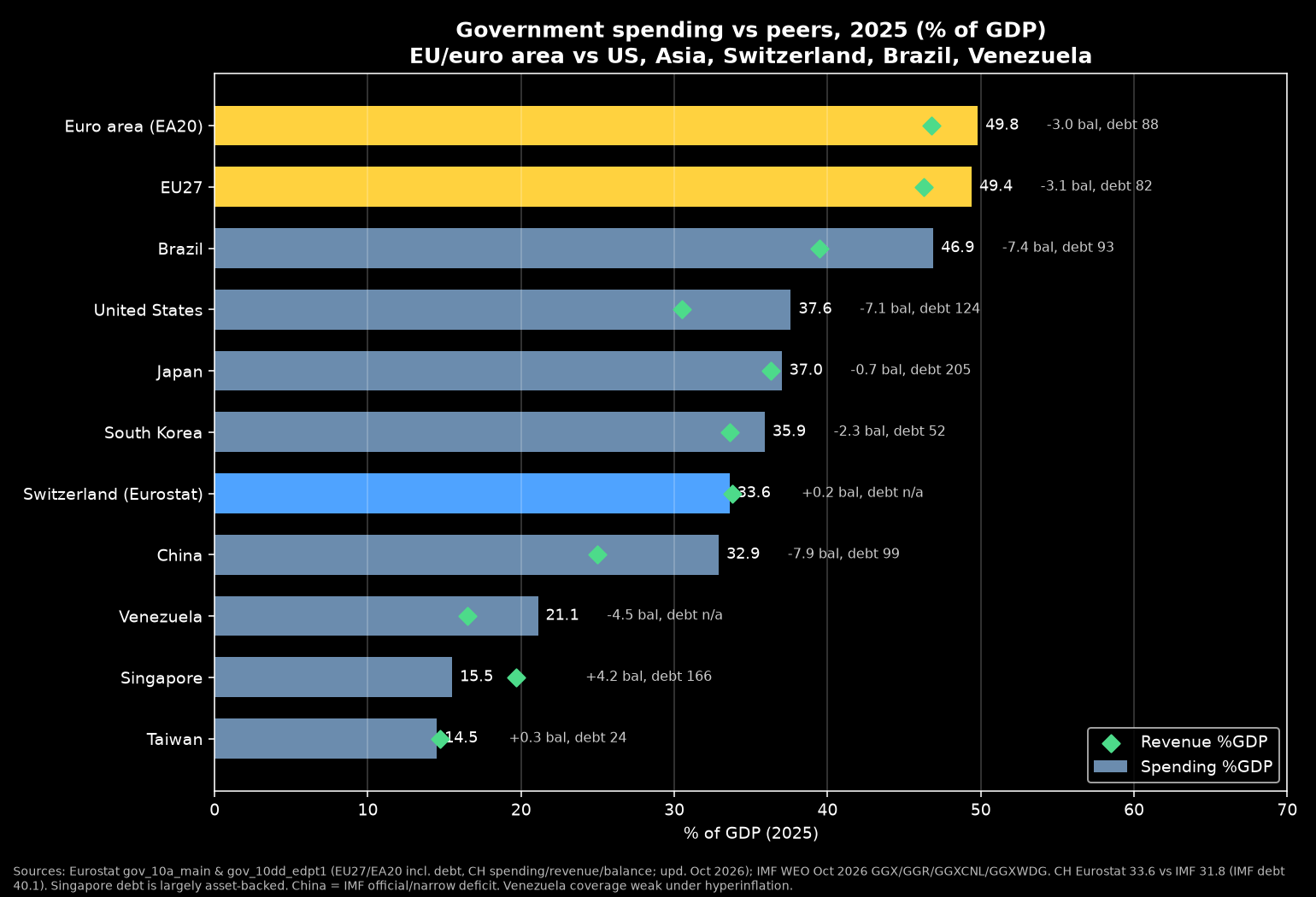
By contrast, euro area government spending is above Brazil, under a communist and clearly unreliable regime, with only 46.9% government spending as a percentage of GDP. More organized and richer nations like Switzerland, Singapore, Taiwan, Korea, Japan, and the US have levels of 33.6%, 15.5%, 14.5%, 35.9%, 37%, and 37.6%, respectively. Even China has only 32.9% government spending as a percentage of GDP, and Venezuela 21.1%. This highlights the clear issue and the scalable problem in Europe. We can’t go much further. We have no private sector, and we have nations dominated by public spending that produces no real goods, no innovation, and no growth. It must stop, and we are now suffering from the state we worked to reach. The social problems we are suffering now are aligned with government spending relative to the private sector.
Public employment
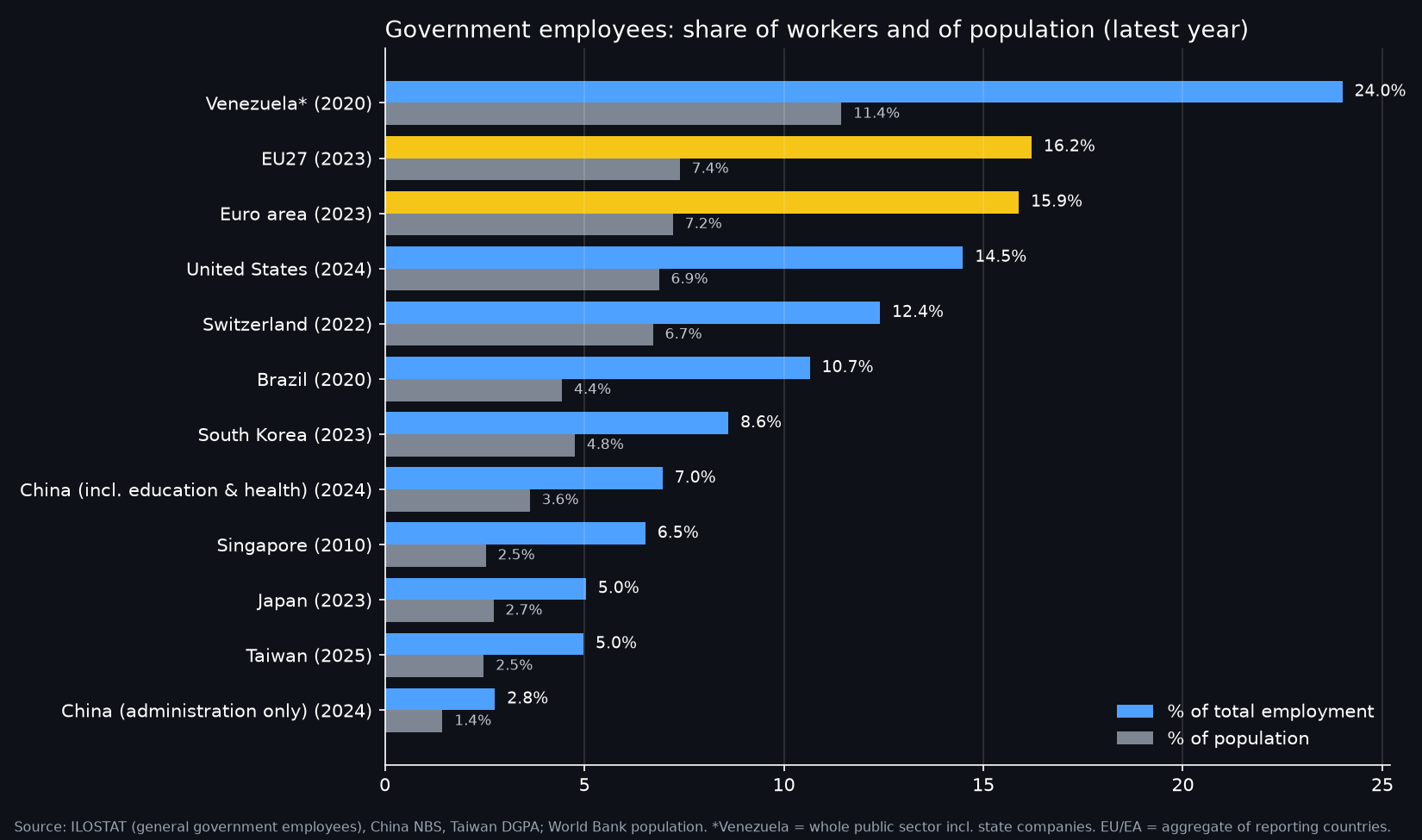
Even worse is how much employment is secured by government jobs. The euro area is at the top, just below Venezuela, with 16.2% of all employees in the EU27 working for the government. In comparison, only 7% work for the government in China and 6.5% in Singapore, while Switzerland and the US are at 12.4% and 14.5%, respectively, with a big effort by the current administration to push this number down in the US. This shows how relevant our governments are in controlling the EU.
Government spending and the private sector
The main issue is always the government spending more than what it generates, more than what the private sector generates. Governments try to be better than private companies, and that ends up creating the situation we live in now, where the government has hit the ceiling and can’t support any more, with their population always asking for more and growth was not supported by a private sector that reached a level of incumbency, with spending above expectations. It all started at scale after the 2008 crisis and with COVID. When a shock happens, governments find a way to create stimulus and put their hands on everything, and stopping that is literally impossible. You can’t stop it, but you should adjust it by supporting and strengthening the private sector. If the private sector grows faster than government spending, you are on a good route to making the economy strong and the EUR strong, let’s learn with Switzerland and Taiwan.
Private sector growth
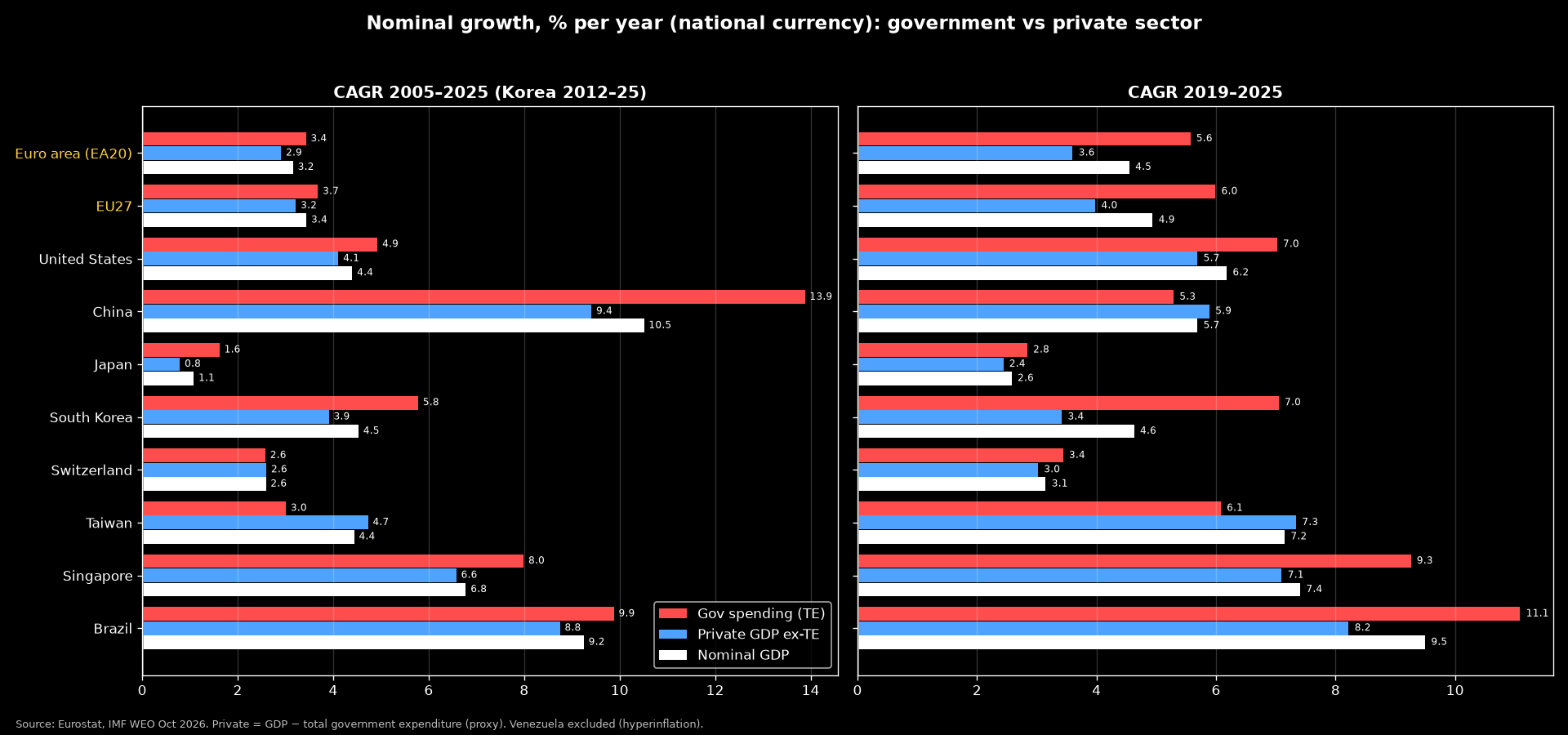
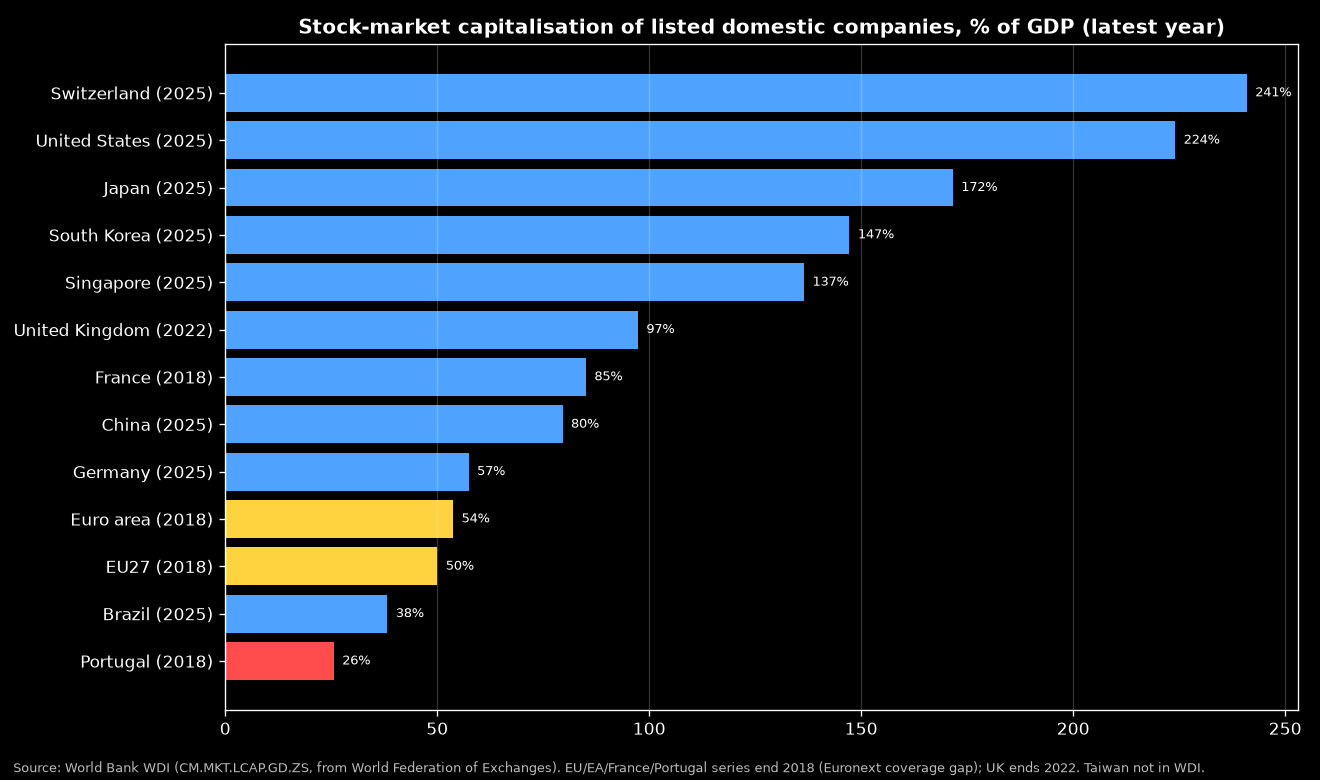
Private sector GDP is growing below all the majors, while the EU should be a well-driven growth area with innovation and technology at the center. We have a highly educated population, a really good education system, capital markets that work, trust, and a solid currency. We have everything to build a great ecosystem of private companies, but the growth is not there. Our private GDP CAGR over the last 5 and 20 years is among the worst performers, growing 2.9% over the last 20 years and 3.6% over the last 5 years. By comparison, China grew 9.4% over the last 20 years and 5.9% over the last 5 years, and Brazil 8.8% and 8.2%.
Fines and compliance costs
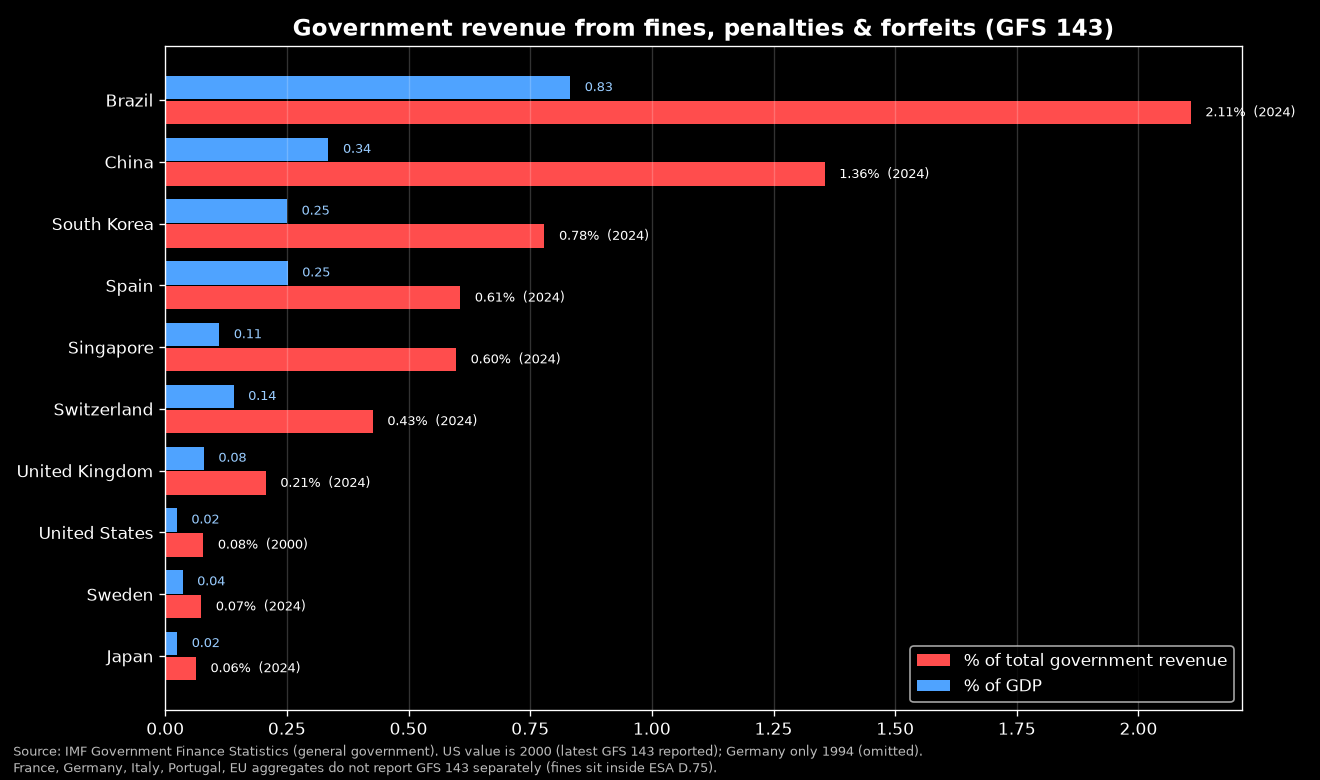
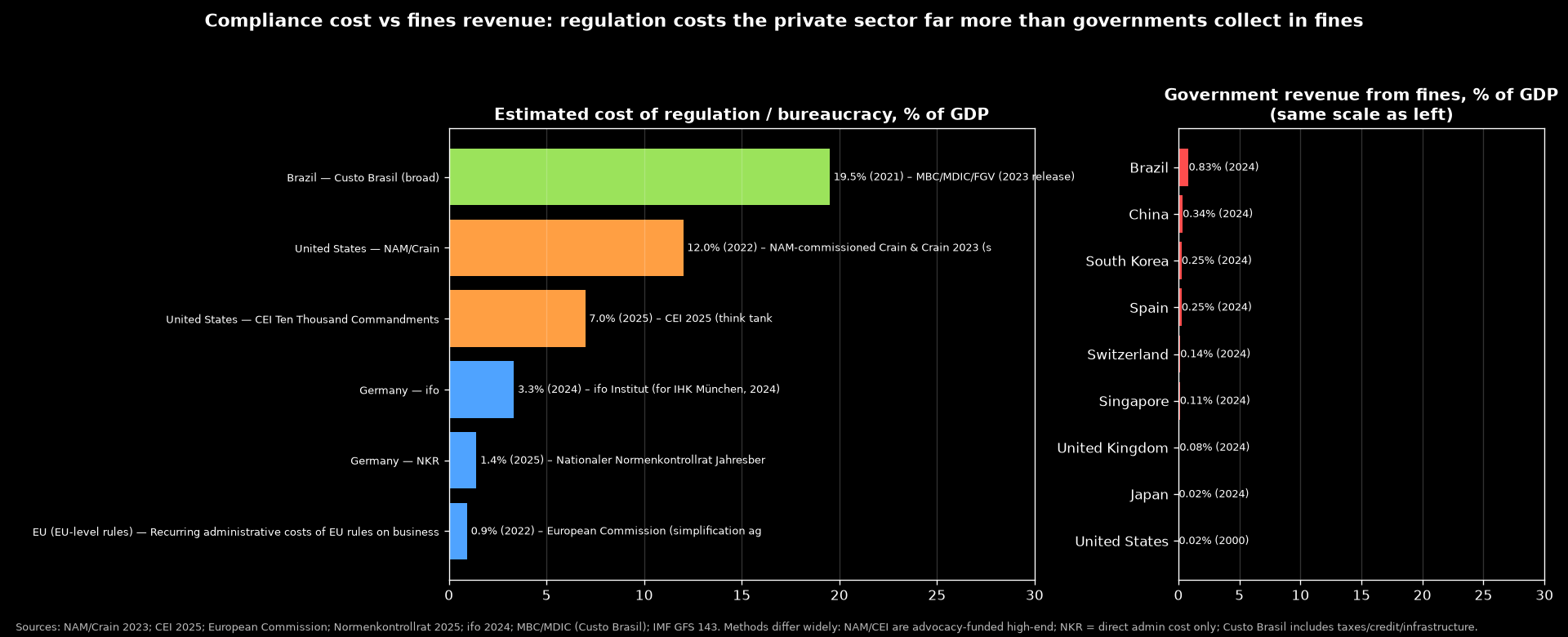
With government having this level of impact on a major economy like the European Union, you would expect it to feel sovereign, above the population and the private sector, and you would expect that to show in the number of regulations, new rules, and penalties and fines it charges its companies. But this is not true. The revenue from penalties and fines in the EU is literally zero.
The dollar cost of compliance is also very low compared to the rest of the world, with the US under a much bigger cost and pain to comply.
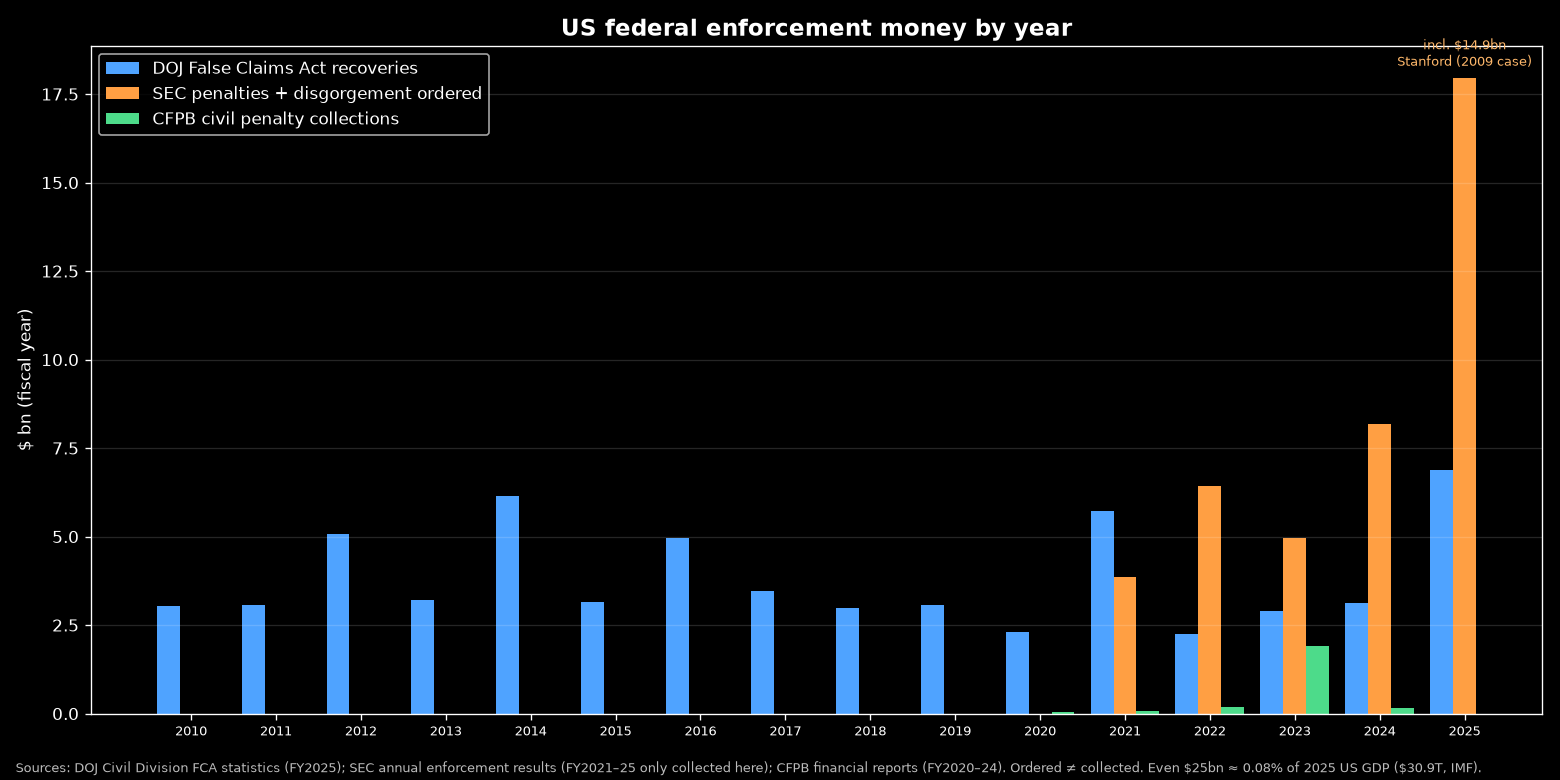
Penalties, fines, and actions by US government entities against companies and the population are growing aggressively YoY, especially on the SEC penalty side.
What Europe must solve
Europe’s issues are not aligned with this. To fix the private market, you must solve these connectors.
• Fragmented markets, with country-by-country legislation. For a country to “export” to another, it must comply with a different set of rules. In the US, a company can directly reach all 330m people in every state. In Europe it cannot, so companies remain small, driven by this fragmentation.
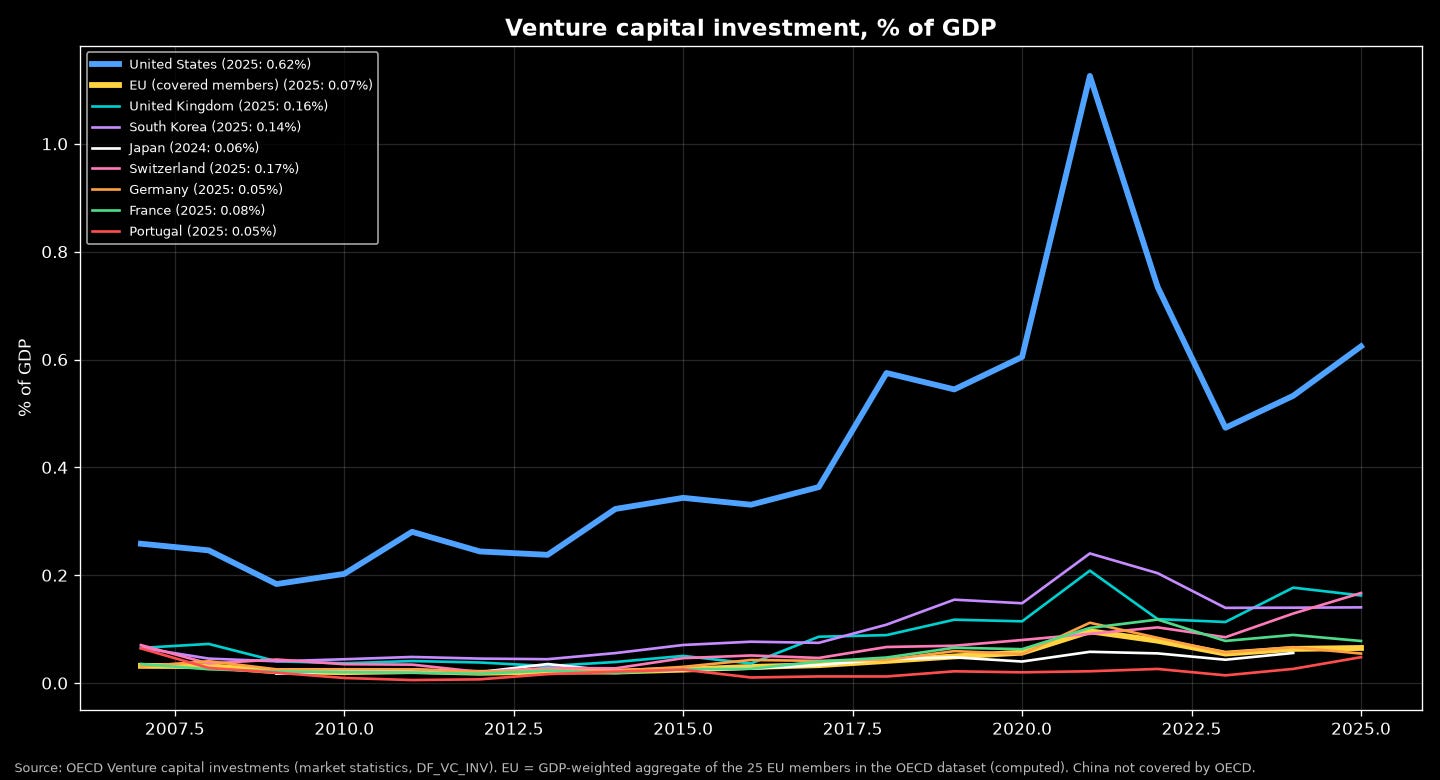
• No venture capital market big enough to scale operations, investment, and build-out, so European companies end up raising from US venture capital firms. Savings are high but flow back into deposits and bonds, not risk capital, and there’s no direct risk appetite in Europe. Increasing the risk appetite would improve conditions in Europe.
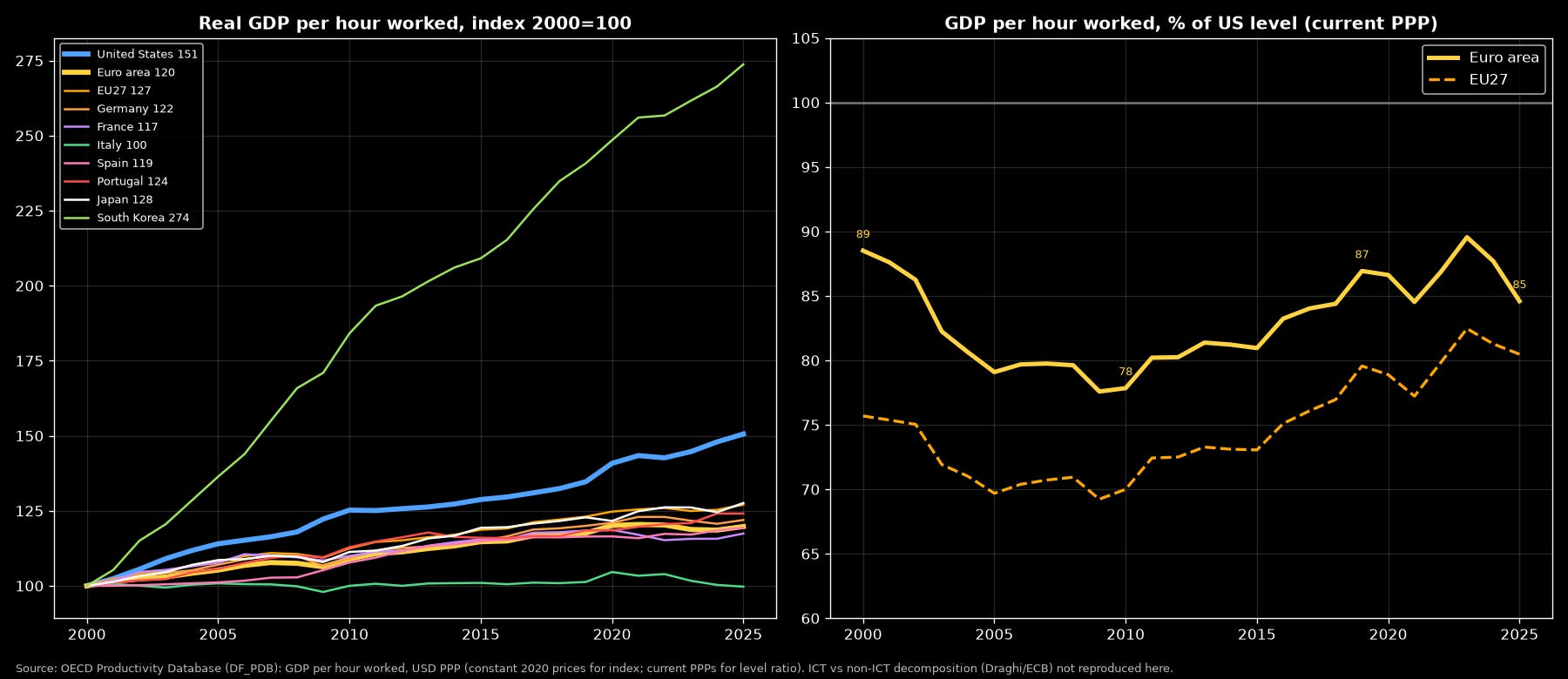
• A technology and productivity gap in Europe compared to the US. There’s no frontier tech being developed in Europe.
• Stricter precautionary rules, like GDPR and the AI Act, that block experimentation and innovation from the start. You can’t ship a product without complying, and that causes delays, pushes down competition, increases prices, and destroys growth.
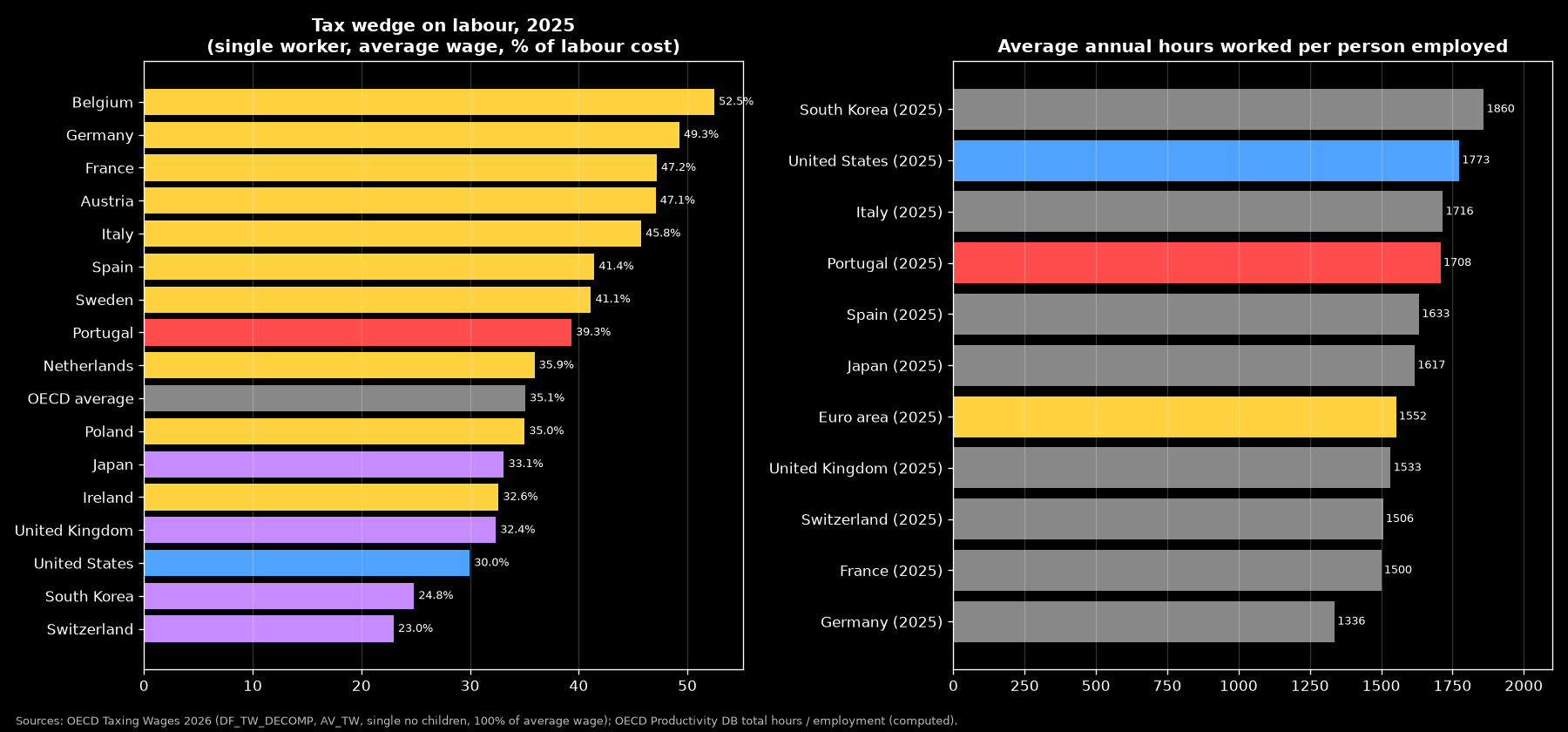
• Labour and taxes. This is one critical hurdle that affects startups and growth companies. If you can’t fire, you can’t hire, and this bottleneck increases the risk of hiring a new person. Add this cost of firing to taxes, and this is the biggest hurdle, the biggest pain for any company in Europe. Even with salaries lower than in the US, and really good people as well, companies still struggle to pay the bill that goes directly to the government, which squeezes investment interest and private demand.
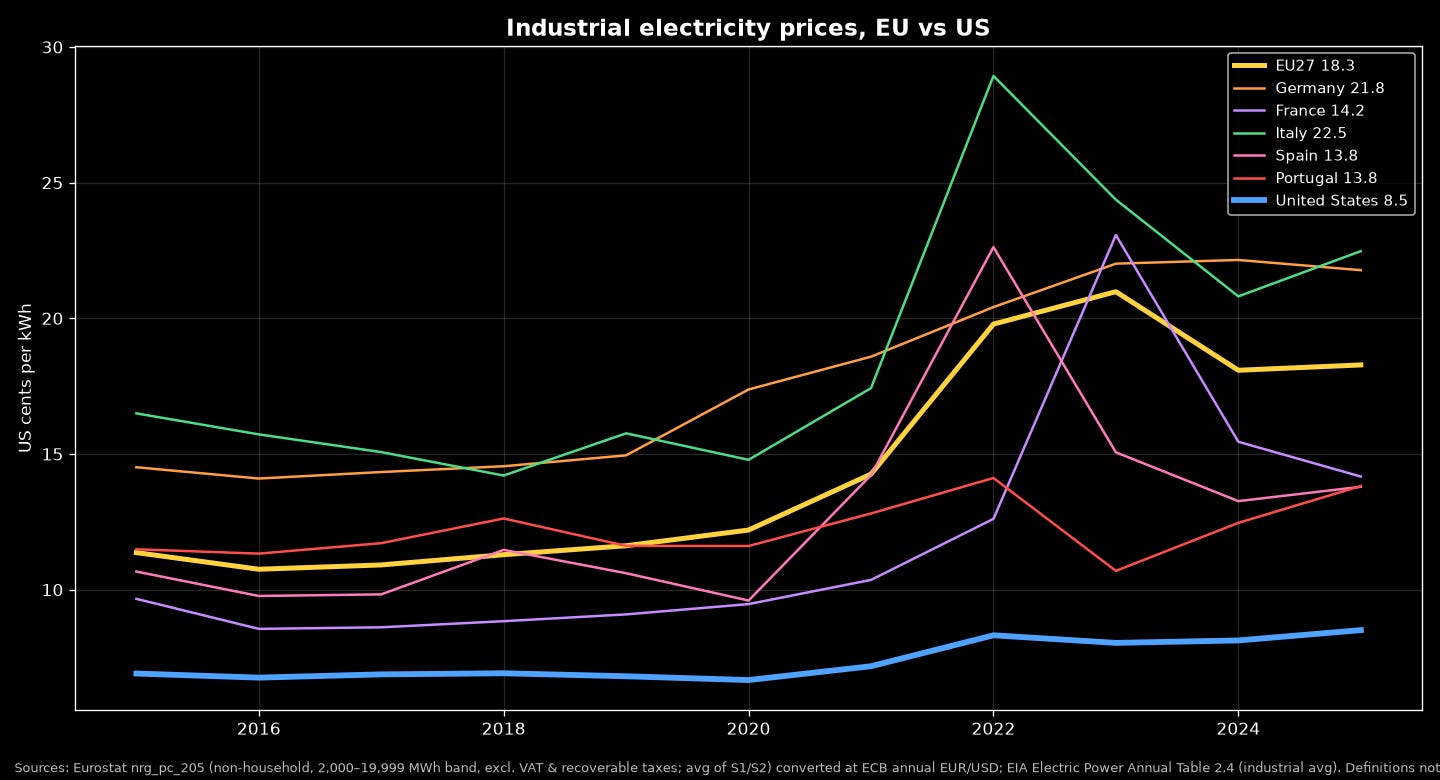
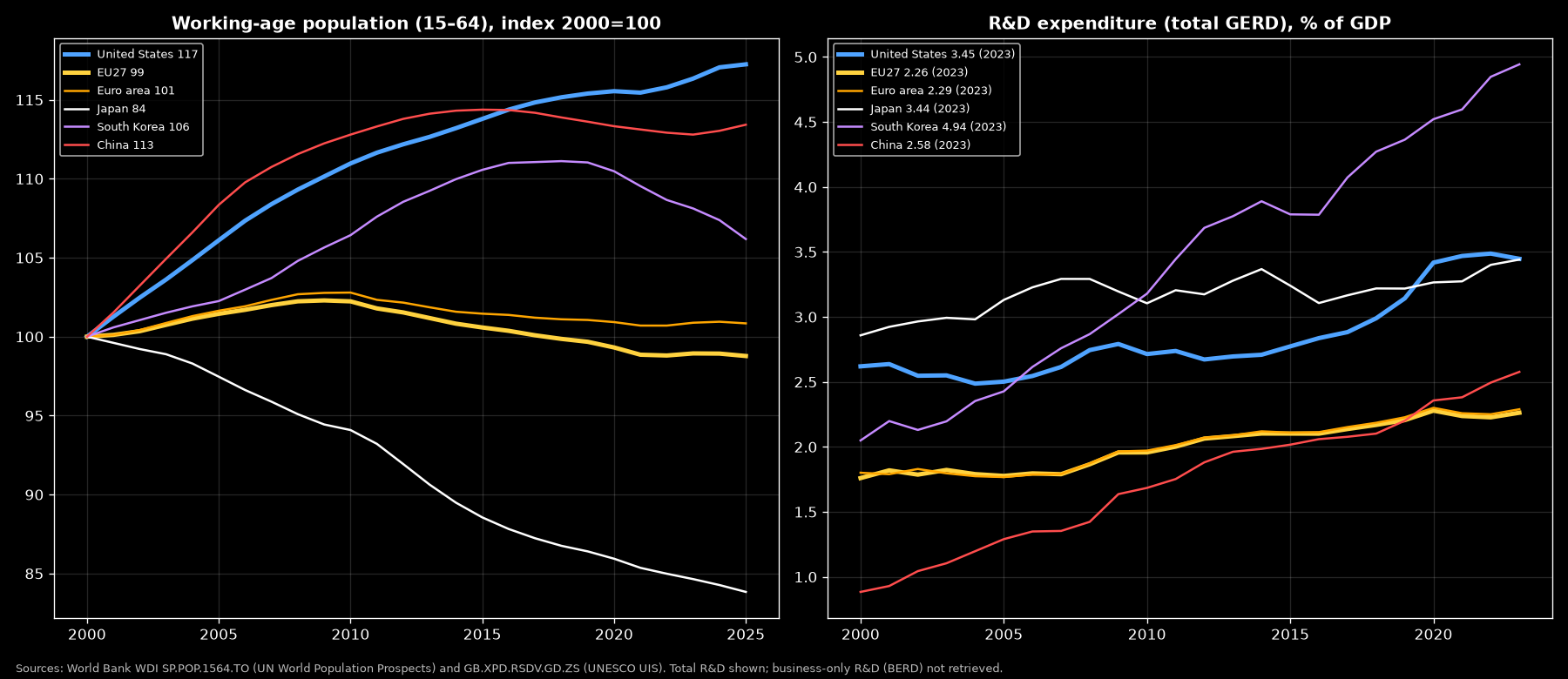
• Current problems around energy and demographics. There’s not enough energy built in-house, and the population is aging. This also affects long-term growth. With faster population growth and cheaper energy, you can compute.
thanks,
Joao